“There is strong evidence that eating processed meat increases your risk of bowel cancer.”
Modern pig production does not only affect the welfare of pigs. It also has serious consequences for human health across the world. Two of the most important public-health concerns linked to pig farming and pork consumption are processed pork and cancer, and the contribution of intensive pig production to antimicrobial resistance.
Together, these issues illustrate how current systems of pig production create risks that extend well beyond the farm gate, affecting human healthcare, communities, and future generations.
Public Health Impacts of Pig Production
Pig farming is now widely recognised as a contributor to multiple public-health challenges. The scale and intensity of modern production shape both what people consume and how animals are raised, creating health risks that are predictable, preventable, and global in nature.
Two of the most serious concerns are the links between processed pork and cancer, and the role of pig production in driving antimicrobial resistance.
Pork, Processed Meat, and Cancer
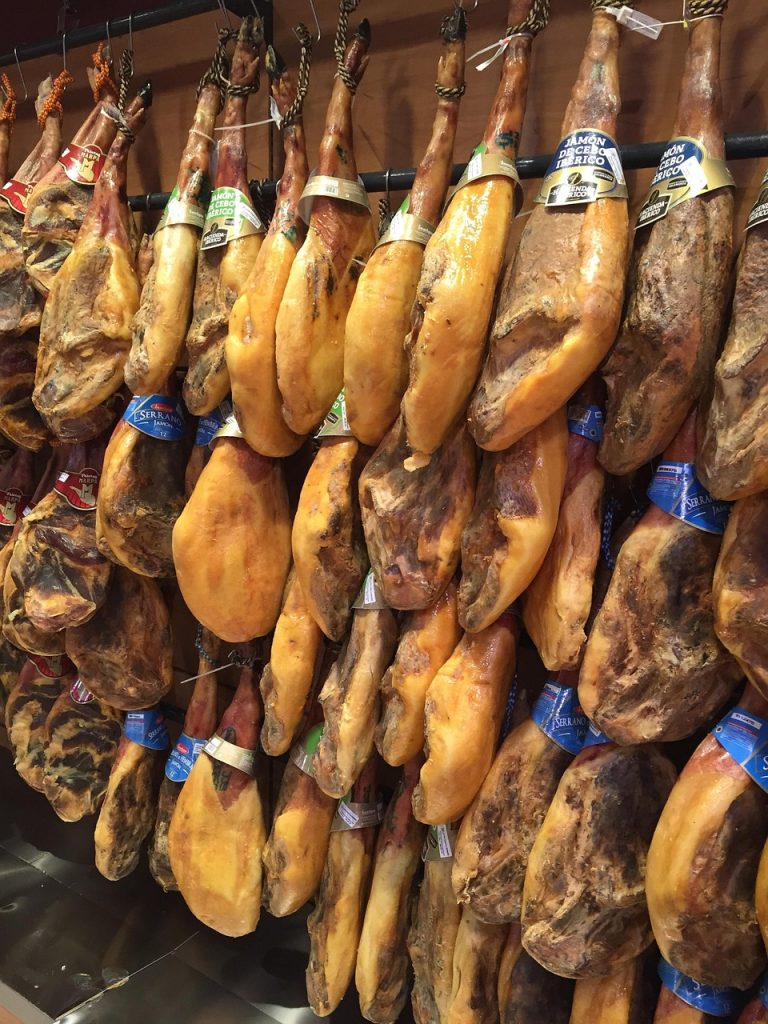
Scientific evidence has increasingly linked the consumption of processed meat, including many pork products such as bacon and ham, with an increased risk of cancer, particularly colorectal (bowel) cancer.
In 2015, the International Agency for Research on Cancer (part of the World Health Organization) classified processed meat as carcinogenic to humans (Group 1), meaning there is strong evidence that it causes cancer. The same body classified red meat, including pork, as probably carcinogenic to humans (Group 2A).
This classification reflects the strength of evidence, not the size of risk for any individual person. However, at a population level, even modest increases in risk translate into large numbers of preventable cancer cases.
Processed meats are often cured or preserved using nitrates and nitrites, which can form carcinogenic compounds in the body. Smoking, curing, and high-temperature cooking can also generate cancer-causing chemicals. These mechanisms help explain why processed pork products carry higher risks than fresh, unprocessed pork.
From a public-health perspective, the clearest recommendation is to minimise or avoid processed pork products and to limit overall consumption of red meat.
Antimicrobial Resistance and Pig Production
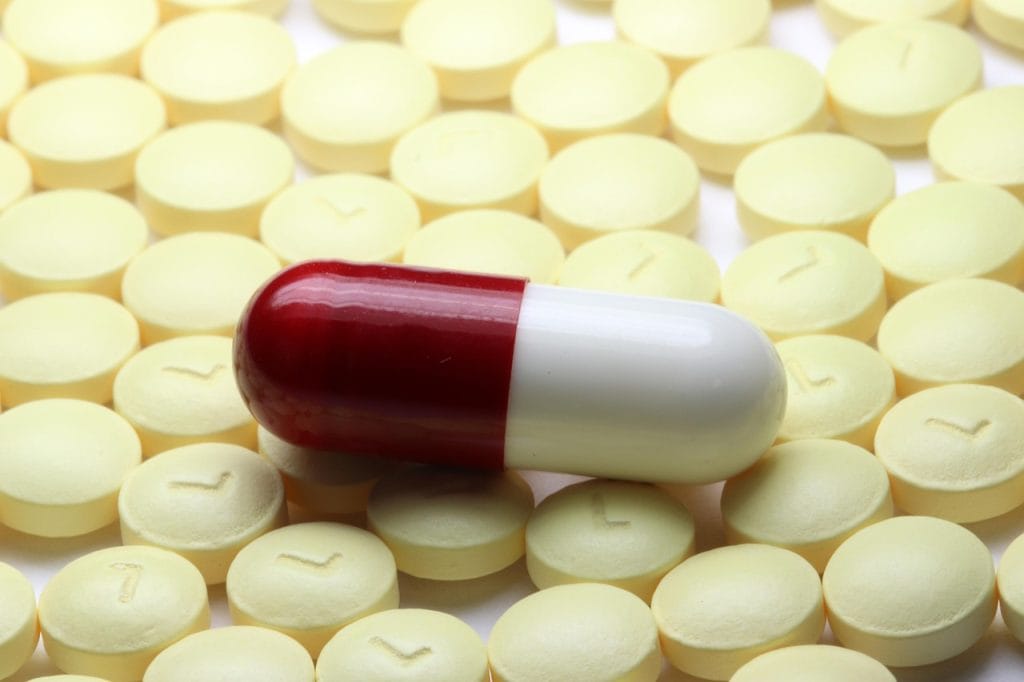
Antimicrobial resistance (AMR) is widely recognised as one of the greatest global public-health threats of the 21st century. It occurs when bacteria evolve resistance to antibiotics, making infections harder or impossible to treat.
Over 70% of antibiotics used worldwide are administered to farmed animals, including pigs. Pigs and poultry, which are typically kept in the most intensive production systems, account for a particularly large share of this use.
In intensive pig systems, antibiotics are often given to groups of animals to prevent or control disease, rather than solely to treat individuals who are sick.
How Pig Farming Drives Antimicrobial Resistance
The routine and large-scale use of antibiotics in pig production creates selective pressure for resistant bacteria. These bacteria, or the genes that confer resistance, can spread to humans through food, direct contact, and the environment.
This means that antibiotic use in pig farming is not only a veterinary issue. It directly affects the effectiveness of life-saving medicines used in human healthcare, including treatments needed for surgery, cancer therapy, and serious infections.
A Shared Pattern
Both cancer risk from processed pork and antimicrobial resistance linked to pig farming reflect a broader pattern: modern intensive systems prioritise high output and low costs, often at the expense of long-term public health.
Highly processed pork products and disease-prone farming environments are symptoms of production models that externalise health harms onto society.
Moving Towards Healthier Systems
Protecting public health requires:
- Reduced consumption of processed pork products
- Lower overall reliance on intensive pig production
- Strong limits on routine antibiotic use in farming
- Greater transparency about how pork is produced
These changes align with Pigs Protection’s wider mission to protect pigs, safeguard human health, and promote more sustainable food systems.