“The world’s food systems are responsible for more than one-third of global anthropogenic greenhouse gas emissions.”
Climate change is one of the most urgent global challenges facing humanity. Rising global temperatures, increasingly frequent extreme weather events, biodiversity loss, food insecurity, and climate-driven displacement are already affecting millions of people across the world. Without rapid and sustained action, these impacts will intensify and place severe pressure on societies, ecosystems, and future generations.
Food systems are a major driver of climate change, and livestock production plays a central role. Industrial pig farming contributes substantially to greenhouse gas emissions through feed production, manure management, land-use change, and energy-intensive housing systems. Reducing the environmental footprint of pork production is therefore an essential part of tackling the climate crisis.
Why Pig Farming Matters for the Climate
Pig farming contributes to climate change through multiple interconnected pathways. Large numbers of animals are raised in intensive systems that rely heavily on imported feed, fossil fuels, and concentrated waste storage. These systems generate significant emissions of carbon dioxide, methane, and nitrous oxide, three of the most important greenhouse gases driving global warming.
Although pigs emit less methane than cattle through digestion, their overall climate impact remains substantial due to the scale of production and the emissions associated with feed crops, fertilisers, transport, and manure. As pork production expands globally, its contribution to climate change continues to grow.
Greenhouse Gas Emissions from Pig Farming
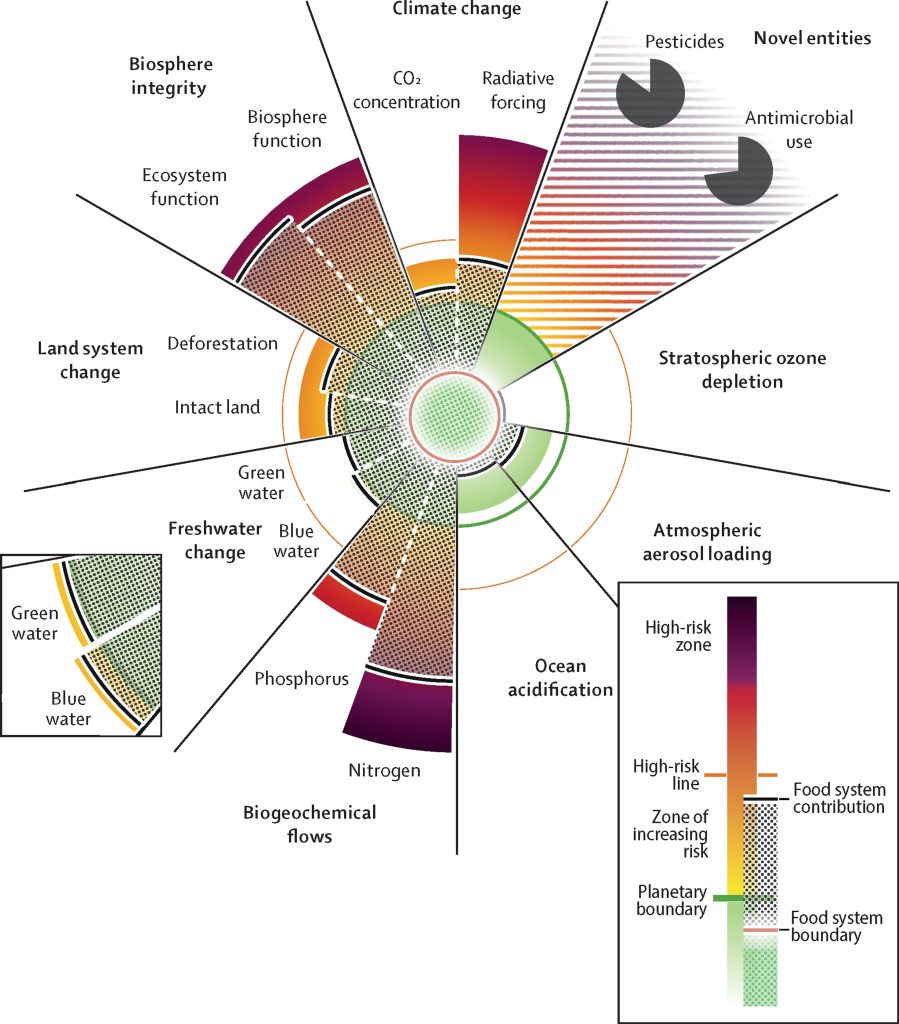
Greenhouse gas emissions linked to pig farming arise at multiple stages of production.
Feed production is one of the largest sources. Vast quantities of soy and maize are grown specifically to feed pigs, often using synthetic fertilisers that release nitrous oxide, a highly potent greenhouse gas. Land clearing for feed crops also releases large amounts of stored carbon into the atmosphere.
Manure management is another major contributor. Pig slurry stored in lagoons or tanks produces methane and nitrous oxide as it decomposes. When spread on land, manure can further release greenhouse gases and contribute to wider environmental contamination.
Energy use within intensive pig units adds to the problem. Climate-controlled housing, ventilation systems, heating for piglets, and feed processing all require significant electricity and fuel inputs, further increasing carbon emissions.
Land-Use Change and Deforestation for Pig Feed
Demand for pig feed drives extensive land-use change in some of the world’s most biodiverse regions. Large areas of forest and savannah, including parts of the Amazon basin and other South American ecosystems, have been cleared to grow soy destined for animal feed.
Deforestation releases enormous amounts of carbon dioxide, destroys wildlife habitat, and undermines the ability of forests to act as carbon sinks. The environmental cost of pork therefore extends far beyond the farms themselves and is directly linked to global patterns of habitat loss and species decline.
Why Reducing Pork Production and Consumption Matters
Scientific assessments consistently show that reducing livestock production and consumption is necessary to limit global warming and avoid the most severe climate impacts. Technological efficiency improvements alone are unlikely to achieve the scale of emission reductions required.
Substantial reductions in pork production and consumption would lower demand for feed crops, reduce manure-related emissions, and decrease pressure on forests and other natural ecosystems. These changes would also bring co-benefits for pig welfare and public health.
Pigs Protection works to highlight how meaningful reductions in pork production and consumption are necessary to address climate change, alongside wider efforts to improve pig welfare and build more sustainable food systems.

Summary
Industrial pig farming contributes significantly to climate change through greenhouse gas emissions, deforestation for feed, and energy-intensive production systems. Continuing to expand pork production is incompatible with efforts to limit global warming and protect future generations.
Addressing the climate crisis requires changes not only in how pigs are farmed, but also in how much pork is produced and consumed.