“Global food production threatens climate stability and ecosystem resilience and constitutes the single largest driver of environmental degradation and transgression of planetary boundaries.”
Modern pig production does not only affect the welfare of pigs. It also has far-reaching environmental consequences that extend from local communities to global climate systems. Intensive pig farming contributes to greenhouse gas emissions, land-use change, water and air pollution, and biodiversity loss.
These environmental harms are not accidental side effects. They are a direct result of the scale and intensity of pork production worldwide. Understanding these impacts is essential for developing food systems that are compatible with ecological sustainability, public health, and animal welfare.
Pigs Protection works to highlight how substantial reductions in pork production and consumption are necessary to address environmental damage as well as to improve pig welfare.
Environmental Impacts of Pig Farming
Modern pig farming places heavy demands on land, water, energy, and ecosystems. From climate change to local pollution and biodiversity loss, pork production exerts pressure on natural systems at multiple scales.
These impacts are increasingly recognised by scientists and policy bodies as incompatible with environmental sustainability today or in the longer term.
Pig Farming and Climate Change
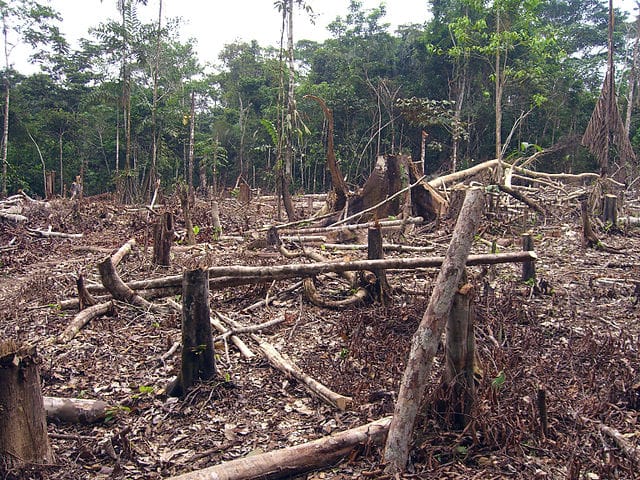
Pig farming contributes to climate change through multiple pathways, including greenhouse gas emissions from manure management, feed production, land-use change, and energy-intensive housing systems.
Large volumes of crops such as maize and soy are grown specifically to feed pigs. This drives deforestation, habitat conversion, and associated carbon emissions in several regions of the world. Manure storage and spreading release methane and nitrous oxide, both potent greenhouse gases.
Scientific bodies increasingly recognise that meaningful reductions in livestock production and consumption, including pork, are necessary to meet climate targets.
Pig Farming and Local Pollution
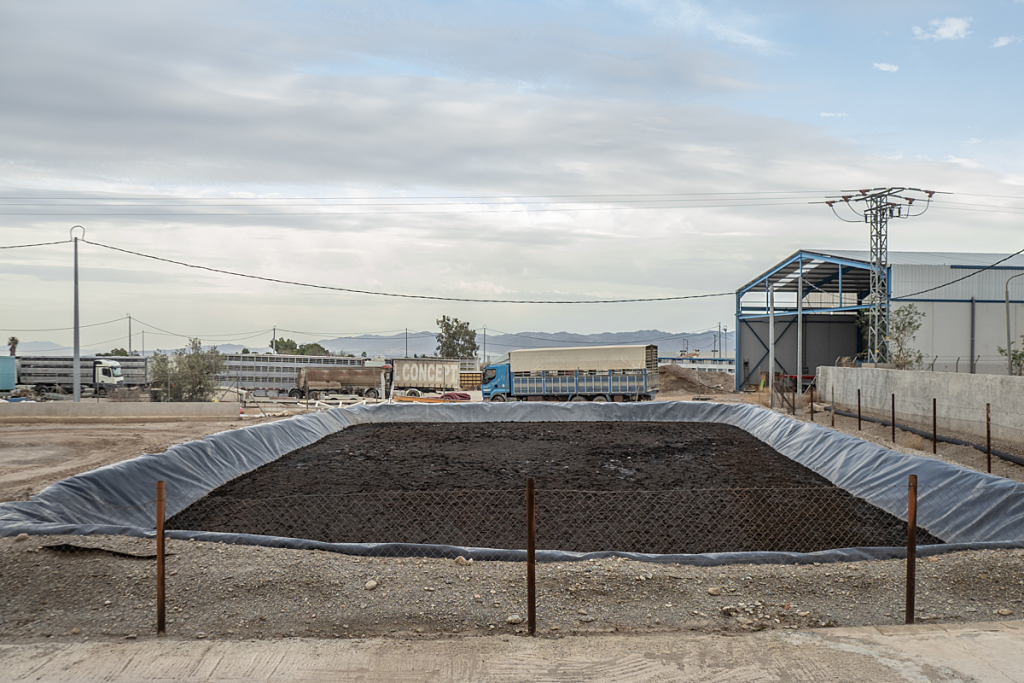
The environmental impacts of pig farming are often felt most acutely at local and regional levels. High concentrations of pigs produce vast quantities of slurry, which can contaminate rivers, groundwater, and soils with nutrients, pathogens, and chemical residues.
Ammonia emissions from pig housing and manure contribute to air pollution and the degradation of sensitive ecosystems. In areas with intensive pig production, these pressures are associated with biodiversity loss, odour nuisance, and reduced quality of life for nearby communities.
These impacts raise important questions about environmental justice, as the burdens of pollution are frequently borne by rural populations with limited political power.
Why This Matters
Environmental damage from pig farming is closely linked to the scale of pork production. Efficiency improvements alone cannot resolve these problems while overall production continues to grow.
Reducing pork production and consumption offers a practical pathway to lower greenhouse gas emissions, protect ecosystems, and reduce pollution, while simultaneously benefiting pig welfare and public health.
For Pigs Protection, environmental sustainability is inseparable from animal protection. A food system that depends on large-scale confinement of animals and heavy resource use is neither ethically nor ecologically viable in the long term.