“The intensification of livestock production… has seen a new class of pollutants emerge, including antibiotics, vaccines and hormonal growth promoters that travel from farms through water into ecosystems and our drinking water.”
Modern pig farming generates large volumes of waste and pollution that can contaminate air, soil, and water, with serious consequences for ecosystems, wildlife, and human health. These impacts are most pronounced in regions with high densities of intensive pig production, where industrial-scale operations concentrate large numbers of animals and their waste in relatively small areas.
Pollution as a Structural Feature of Industrial Pig Farming
Local pollution from pig farming is not an accidental by-product. It is a direct result of the scale and intensity of modern pork production, which produces far more manure and slurry than surrounding land can safely absorb. Communities living near intensive pig units are therefore often exposed to persistent odour, degraded air quality, contaminated water, and environmental decline.
Pigs Protection works to highlight how substantial reductions in pork production and consumption are necessary to address this environmental damage, while also improving pig welfare and protecting public health.
How Pig Farming Pollutes Local Environments
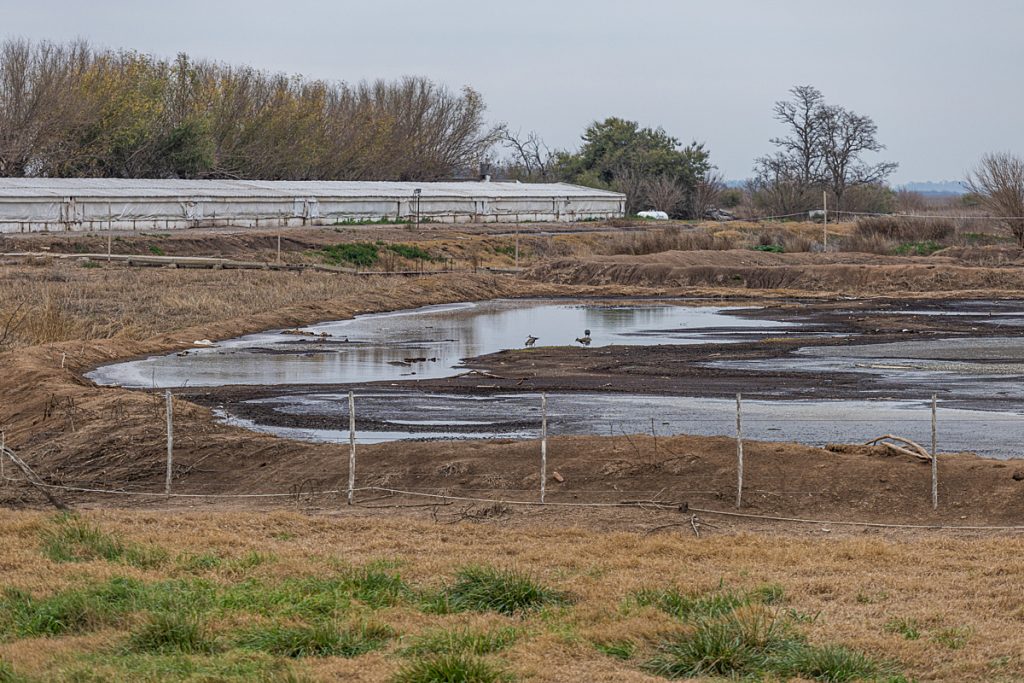
Large pig units produce vast quantities of manure and slurry containing nitrogen, phosphorus, pathogens, heavy metals, and residues of veterinary medicines. When this waste is spread on land in excessive amounts or poorly managed, it can run off into rivers, lakes, and groundwater, or leach through soils.
This pollution contributes to:
- Nutrient enrichment of waterways (eutrophication)
- Algal blooms and oxygen depletion
- Fish kills and aquatic biodiversity loss
- Contamination of drinking water sources
In many pig-dense regions, pollution loads far exceed what ecosystems can safely handle, leading to chronic environmental degradation rather than isolated incidents.
Water Pollution and Human Health
Nitrate contamination of groundwater is a major concern near intensive pig operations. Elevated nitrate levels are associated with health risks, including methemoglobinemia (“blue baby syndrome”) in infants, and have been linked in some studies to increased risks of certain cancers.
Pig manure can also carry pathogenic bacteria such as E. coli and Salmonella, which may enter water supplies through runoff or flooding events. These pathogens can cause gastrointestinal illness and, in severe cases, life-threatening infections.
Access to clean, safe drinking water is a basic human right. Pollution arising from pork production therefore represents not only an environmental issue, but a public health and social justice concern.
Case Study: Galicia, Spain – Industrial Pig Farming and Community Impacts
Galicia, in north-western Spain, has experienced rapid expansion of industrial pig production over recent decades. Thousands of large pig units now operate in the region, producing huge volumes of manure.
Local communities and environmental organisations have documented:
- Widespread nitrate contamination of groundwater
- Rivers and wells rendered unsafe for drinking
- Strong odours and declining air quality
- Loss of aquatic life and biodiversity
Residents have repeatedly raised concerns about health risks, declining property values, and lack of meaningful regulatory enforcement.
The situation in Galicia illustrates how intensive pig farming can overwhelm local environments and place disproportionate burdens on rural communities.

Environmental Justice and Rural Communities
The harms of local pollution are not evenly distributed. Intensive pig units are often located in rural or economically disadvantaged areas where communities have limited political power and fewer resources to challenge large agribusiness operations.
This raises serious questions about environmental justice: who benefits from cheap pork, and who bears the environmental and health costs?
Why This Matters
Local pollution from pig farming is a predictable outcome of producing pork at industrial scale. Improving manure management alone cannot solve this problem while overall production continues to grow.
Reducing pork production and consumption is therefore a critical part of protecting local environments, safeguarding public health, and creating more just and sustainable food systems.